


 EN
EN  VN
VN THE TIMELESS GLOW OF GOLD IN ART
Throughout the course of history, gold has been more than just a rare precious metal; it has become a symbolic material in architecture and interior design. The application of this material in decoration serves as an affirmation of an inimitable personal identity.
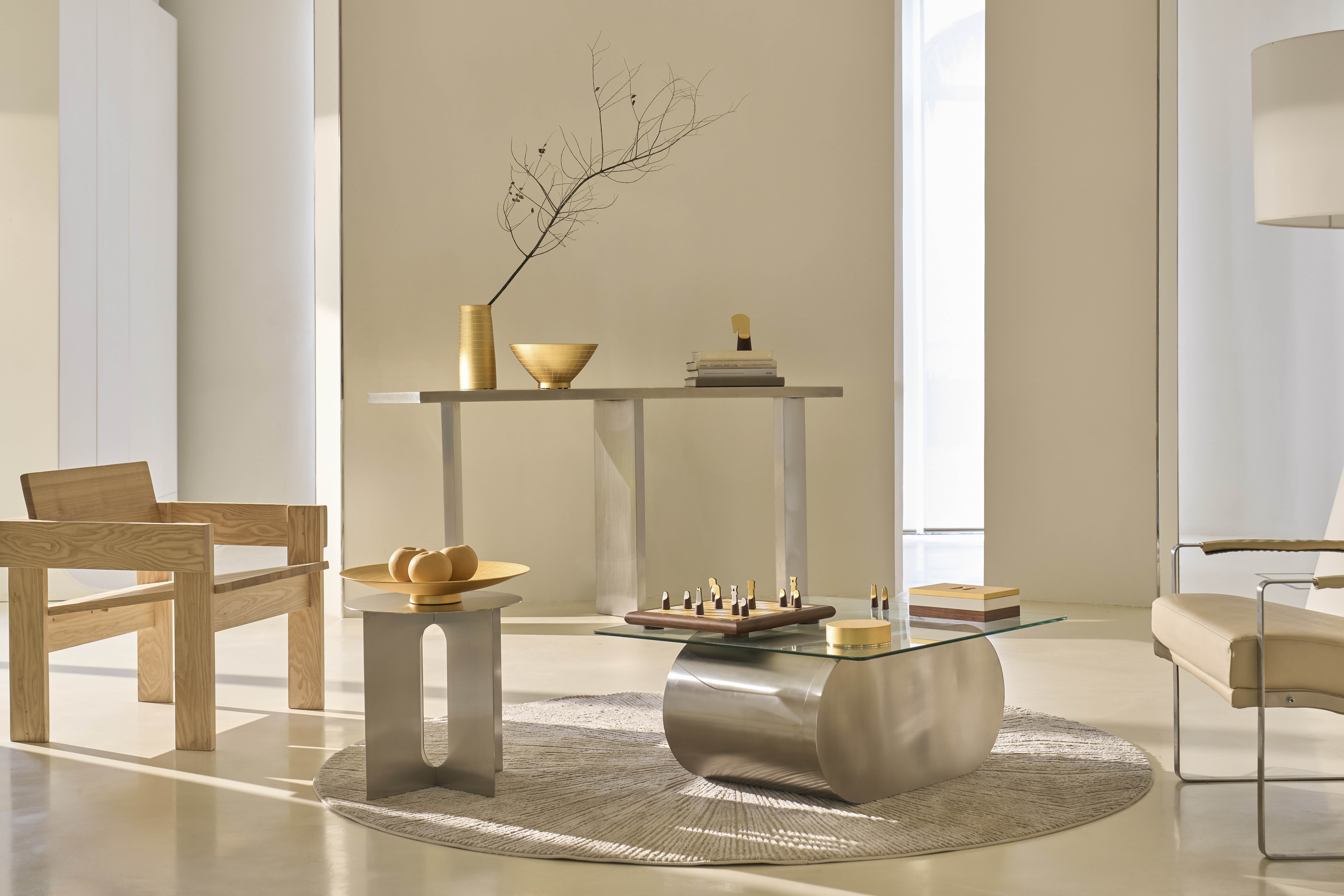
More than 4,000 years ago, the civilizations of Egypt and Mesopotamia mastered the art of covering wooden objects with gold leaf, transforming them into priceless artifacts to display wealth and divinity. The use of gold in decoration was never merely about aesthetics; it was a declaration of social status for those in power. The most vivid testament is the Palace of Versailles—where King Louis XVI and Queen Marie Antoinette pushed the art of gilding to the pinnacle of extravagance. True to its reputation as a palace of light, gold envelops numerous architectural details here. A brilliant metallic glow emanates from the moldings and ornate picture frames to the outdoor sculptures, turning the entire space into a unique masterpiece of golden art.
Moving away from the opulence of European palaces, the golden radiance takes on a more mystical and profound nuance as it flows toward the East. Gold blends with natural lacquer to create the art of "Sơn son thếp vàng" (Gilded Lacquerware)—a zenith of traditional craftsmanship. In the Hall of Thái Hòa Palace, he deep, solemn red of ironwood bursts into brilliant gold, allowing later generations to feel the lavish breath of the past.
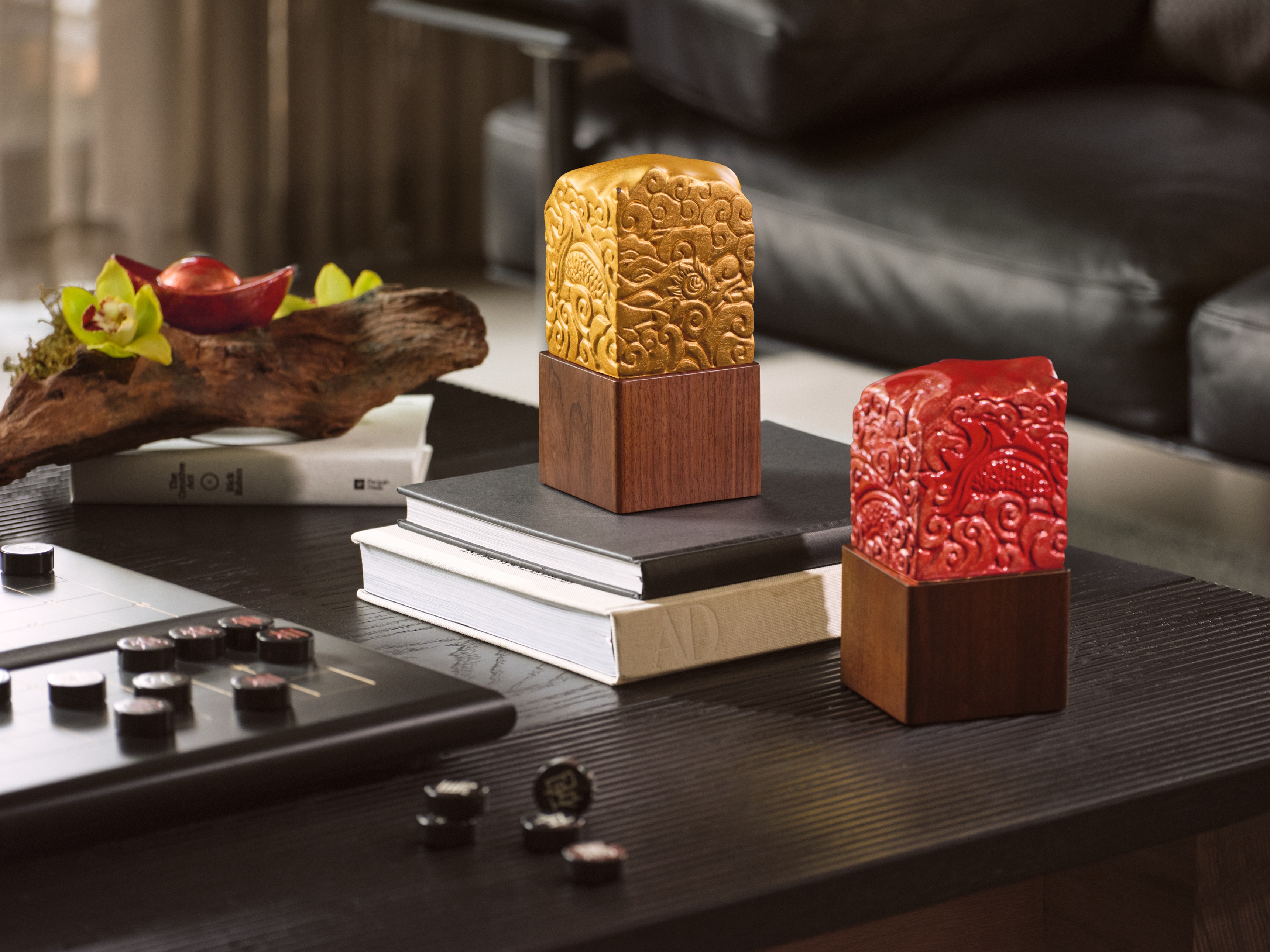
Over time, the craft of gilding has stepped out of monumental architectural structures to become a more intimate presence in daily life. This transition does not diminish the precious essence of gold; on the contrary, it brings a breath of fresh air to modern living spaces. Hanoia utilizes gold as an intentional accent, infusing spaces with a touch of noble elegance.
Beginning with the use of gold leaf on small surfaces, Hanoia’s latest product line now features surfaces entirely enveloped in gold leaf. The material of choice is pure 24K gold leaf—the highest premium segment with a radiant metallic luster. However, this is also a "temperamental" material due to its ultra-thin nature and tendency to wrinkle during the crafting process.
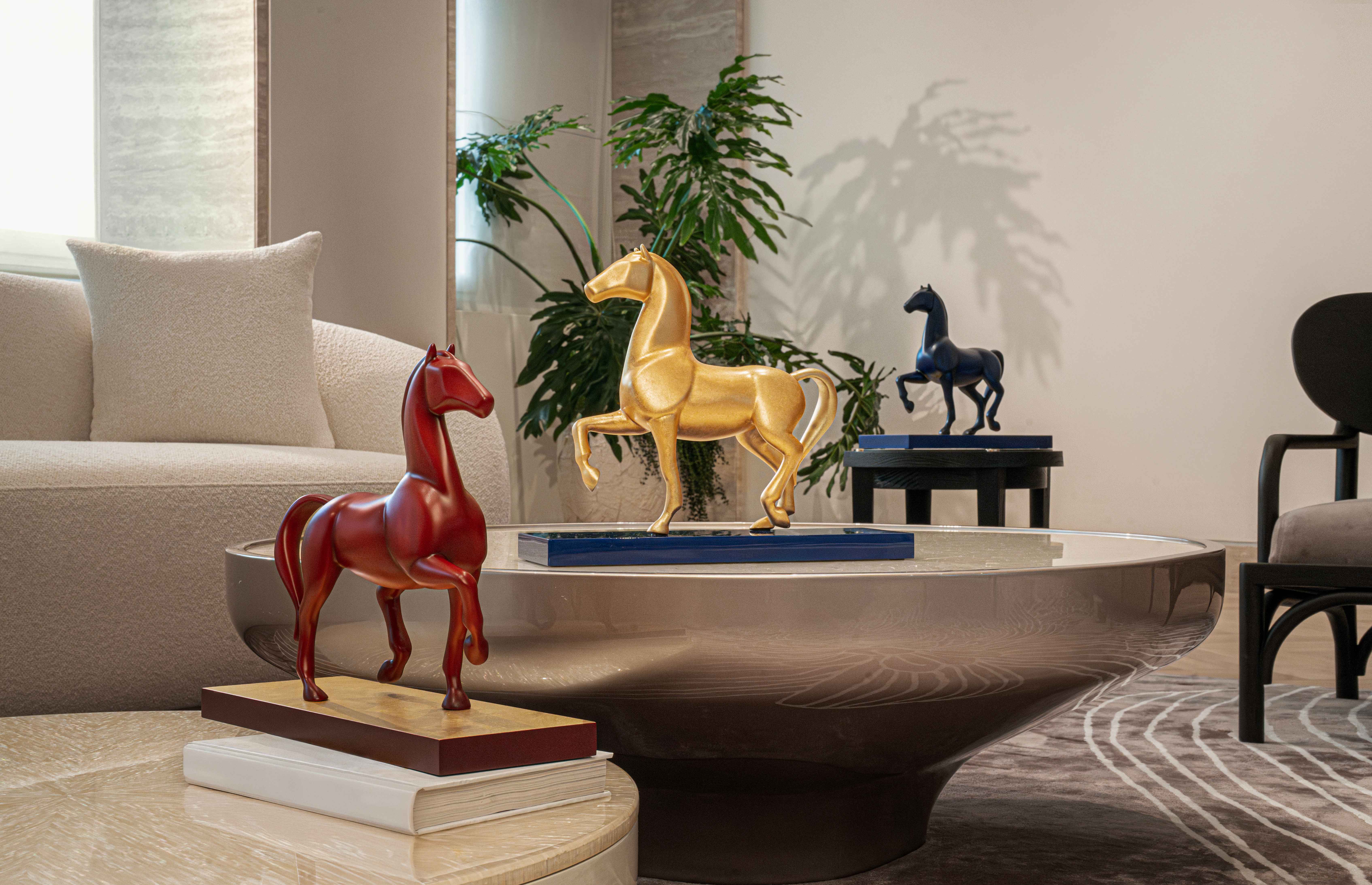
Gold leaf gilding is considered one of the most "nerve-wracking" techniques at Hanoia, as it demands extreme patience and meticulousness in surface treatment—applying thin, fragile gold leaf onto surfaces and handling joints so they are seamless and smooth. The success or failure of this craft is also governed by unpredictable factors such as environmental humidity and temperature. Therefore, every piece released is a perfect version, a crystallization of the artisan's perseverance and elaborate workmanship.
The presence of decorative items like Aurify drapes the space in a sense of exquisite selection. Hidden behind that golden glow is a brilliant identity that remains intact through the years. Whether placed in a minimalist space or an elaborate room, gold-leaf designs always know how to assert their unique value.
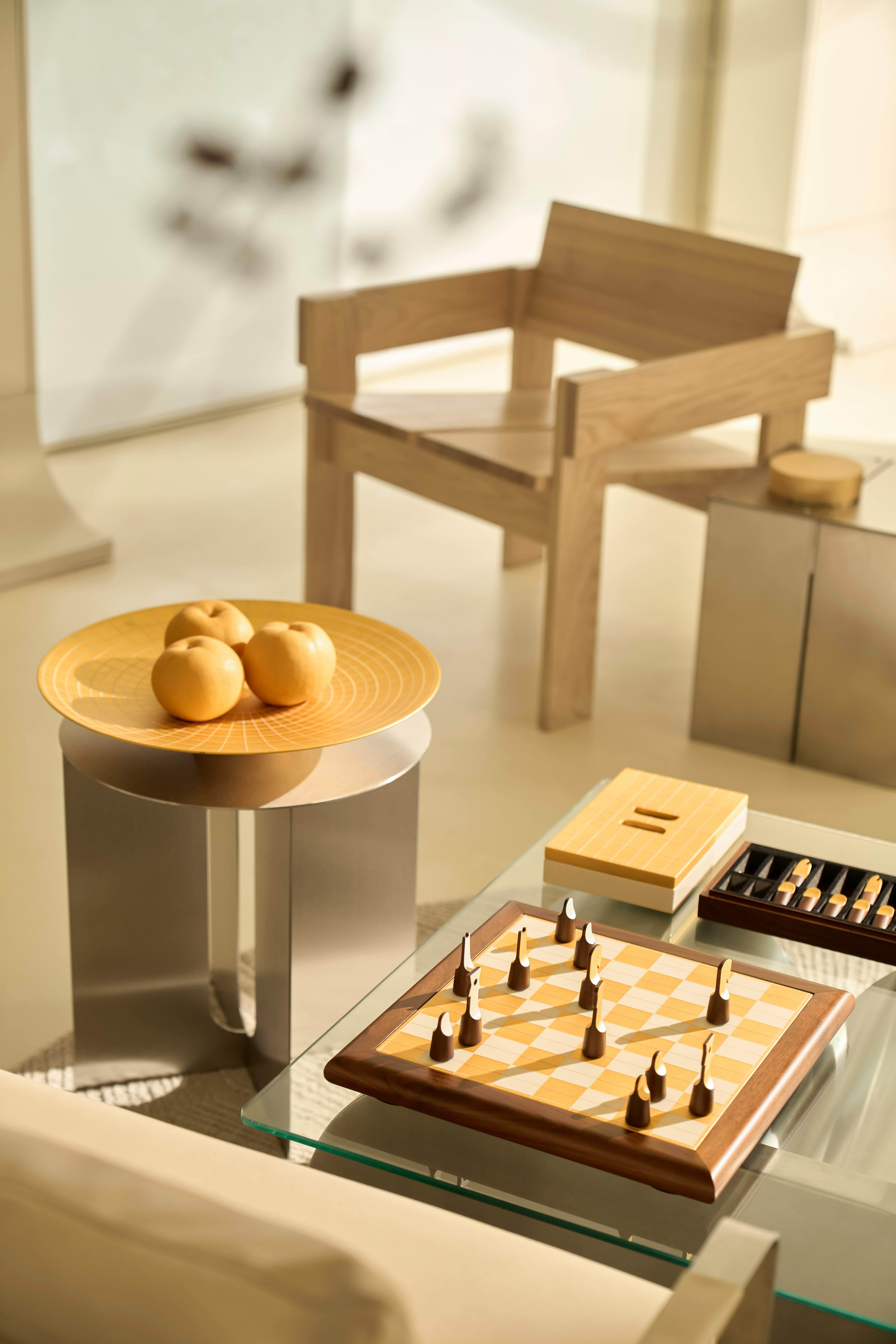
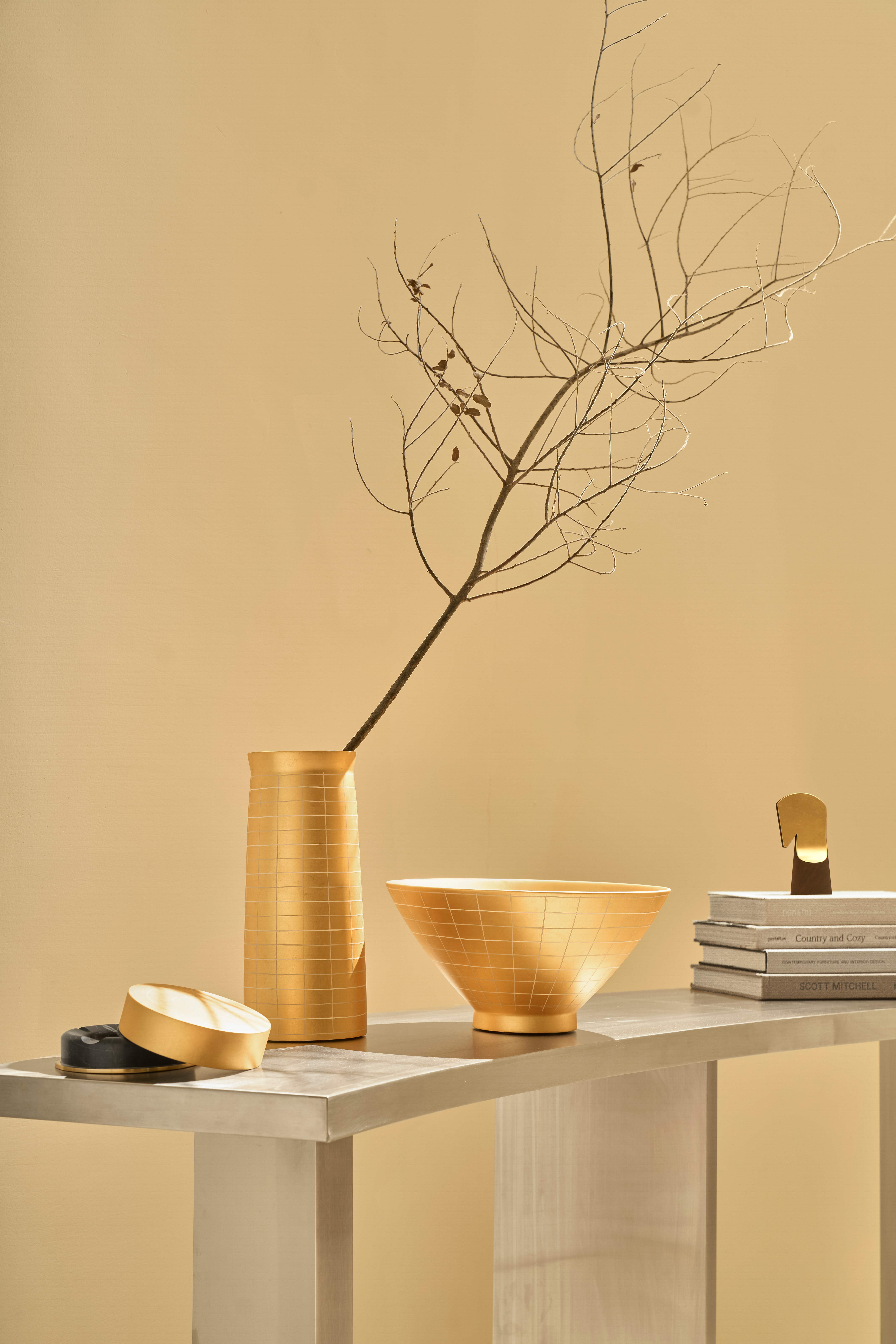
Despite the durable nature of gold, proper care will help the creation retain its original radiance. A gentle dusting of the surface is enough for the metallic glow to remain clear and bright. This skillful care is how the owner preserves the most pristine beauty of the object.
The brilliant golden light remains eternal through the talented hands of contemporary artisans. With diverse transformability, gilded creations always capture the hearts of aesthetic souls. This presence has been, is, and will always be a brilliant chapter in the flow of art through the ages.
- Aurify bowl₫29,500,000Sale %
- Aurify round tray₫29,500,000Sale %
- Aurify chess board₫49,500,000Sale %
- Aurify rectangular tray₫40,500,000Sale %


